
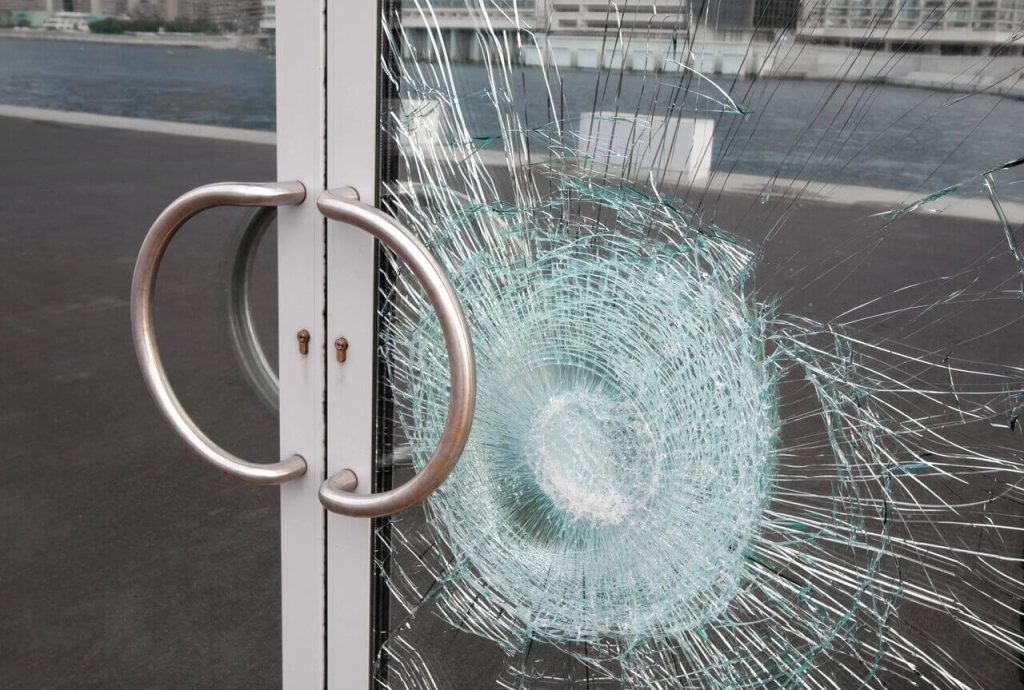
Ordinary glass gives way almost instantly under force. A pane treated with safety and security film behaves differently once the surface cracks.
| Feature | Standard Glass | Security Laminate |
|---|---|---|
| Impact Response | Shakes / Shatters | Cracks but holds |
| Delay Time | 0–2 Seconds | 30–120 Seconds |
| Retention | None (Falls out) | High (Stays in frame) |
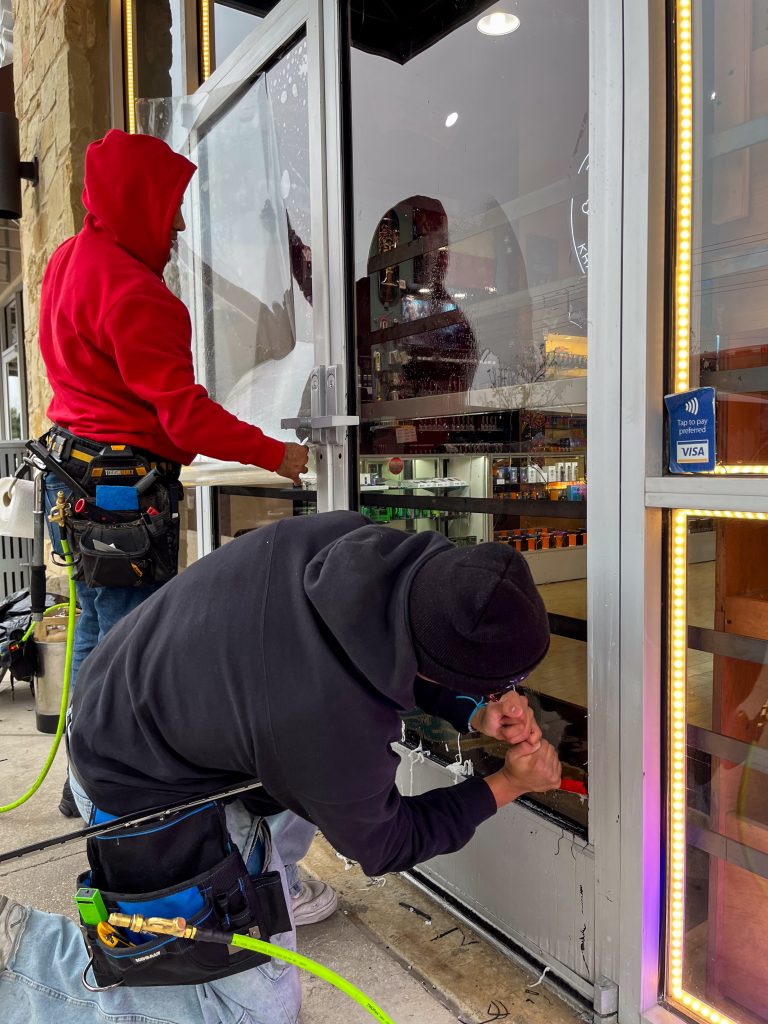
Safety and security window film is a clear, reinforced polyester layer applied directly to existing glass. It is not a substitute pane, and it does not require removing the current window.
What the Film Does
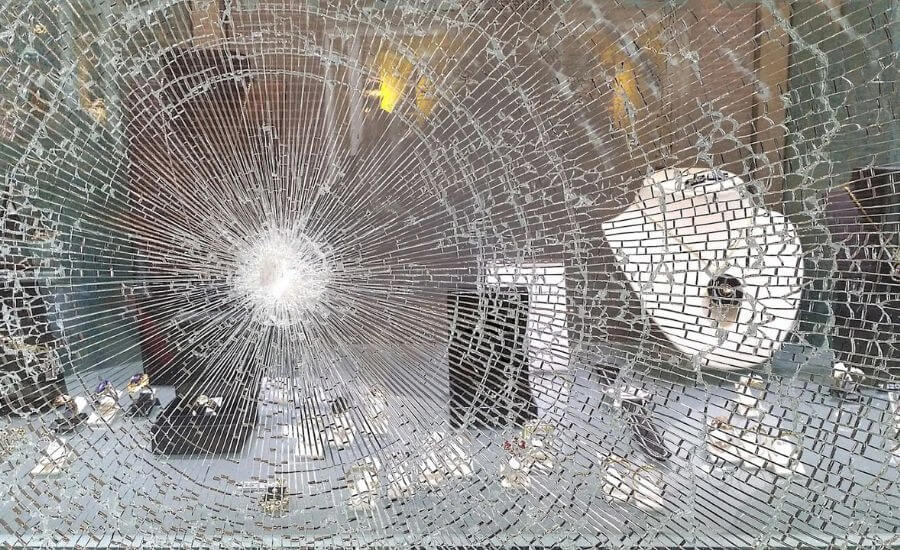
Ground-floor display windows are the most common break-in target. Film keeps merchandise visible while making a smash-and-grab attempt take longer.
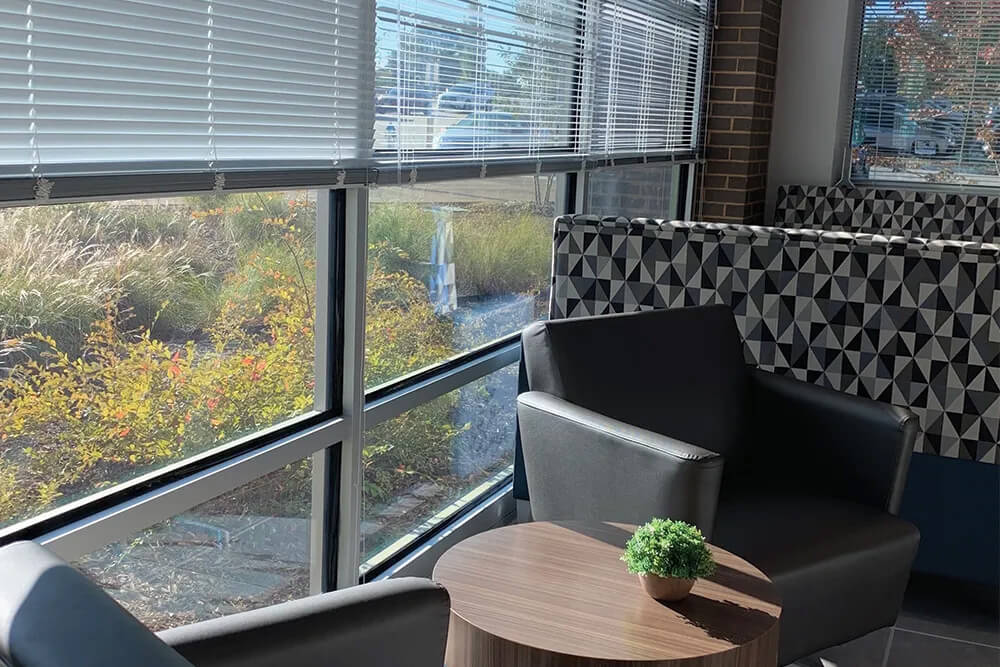
Lobby glazing and street-facing conference rooms sit closest to foot traffic. Film adds a layer of protection without changing how the space looks from inside or out.
A Designer Window Film installs 3M-backed window film products for San Antonio businesses and homeowners, using the same careful process on every commercial and residential project.

A Designer Window Film installs 3M safety and security window film in thicknesses matched to the risk level of each opening. Thinner film suits interior partitions and secondary glazing. Heavier film, applied with a wet-glaze edge attachment, is specified for primary entrances and ground-floor doors where extended forced-entry delay matters most.
Every installation is a certified 3M product, backed by manufacturer testing for glass fragment retention under impact.

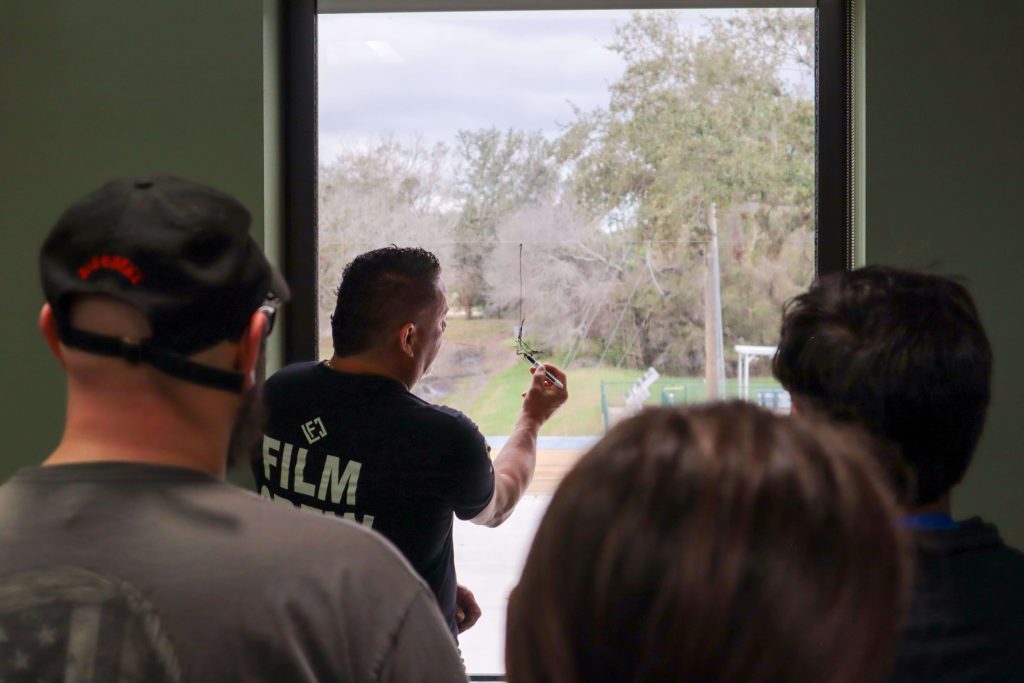
Film installation bonds a reinforced layer to the interior side of existing glass and secures it at the edges, so the pane continues to act as a barrier even after it cracks.
Ground-floor storefront windows and unsecured office entrances carry the highest break-in risk on most commercial properties. They sit at street level, require no tools to reach, and are usually the least reinforced glass in the building.
Untreated glass at these openings typically gives way in a matter of seconds. That gap often determines whether an alarm response or a passing patrol has time to intervene before a break-in is completed. Applying film to entry-level glass first, rather than treating every window on a property equally, puts the budget where the exposure is highest.
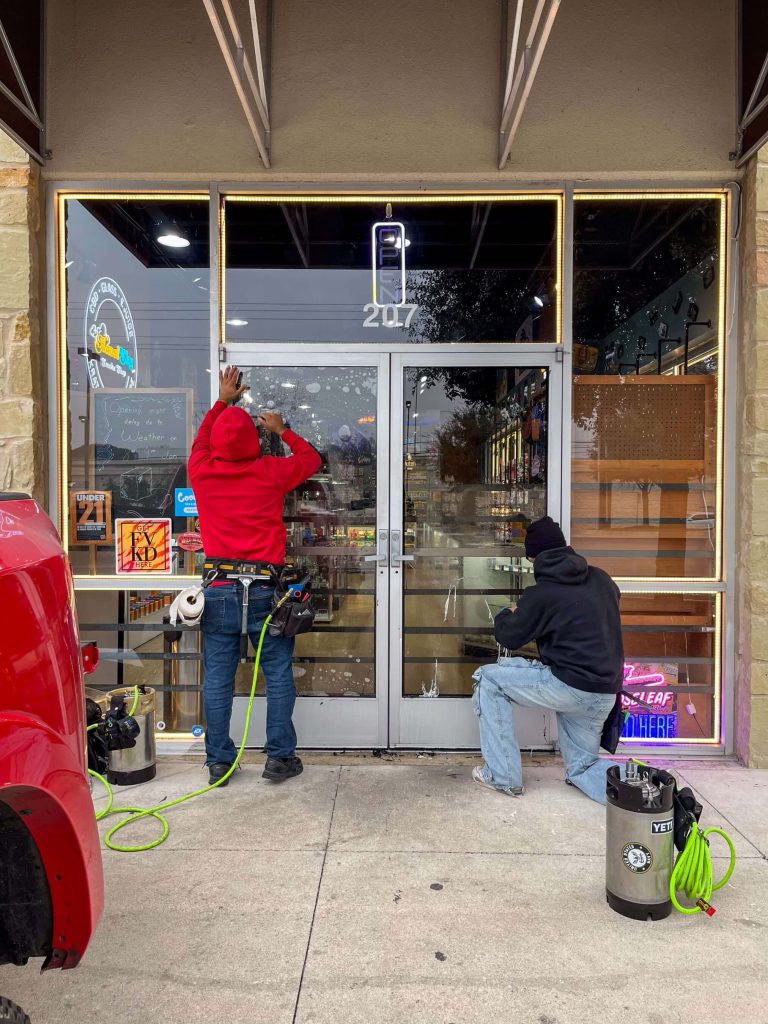
Ground-floor storefront windows and unsecured office entrances carry the highest break-in risk on most commercial properties. They sit at street level, require no tools to reach, and are usually the least reinforced glass in the building. Untreated glass at these openings typically gives way in a matter of seconds. That gap often determines whether an alarm response or a passing patrol has time to intervene before a break-in is completed. Applying film to entry-level glass first, rather than treating every window on a property equally, puts the budget where the exposure is highest.
Bonded film increases the time required to clear a broken window or door, giving alarm systems and responders more time to act.
Fragments stay attached to the film after impact, reducing the risk of cuts to employees, customers, and staff nearby.
Glass that holds together after an incident means less debris, less emergency boarding, and less disruption to the business.
The film is optically clear and applies to the interior side of the glass, so storefronts and lobbies keep their original appearance.
Film pairs with door locks, access control, and alarm systems as one part of a layered approach rather than a standalone fix.
Security window film delivers the most value on ground-floor glass facing the street, since that's where foot traffic and break-in attempts both concentrate. Retail storefronts benefit from film applied to display windows and front-door glazing, extending forced-entry delay while keeping merchandise visible to passing customers.
In office settings, film reinforces lobby glazing and street-facing conference rooms without altering how the space looks from either side of the glass. Restaurants and shopping center storefronts gain a lower-cost way to close a common gap, since this glass is frequently left untreated.
Public and institutional buildings rely on film at entry doors and lobby windows to support access procedures during high-traffic hours. Prioritizing these primary access points lets a facility strengthen its most exposed glass first, then extend coverage as budget allows.
Security window film is occasionally specified for residential glazing with a defined risk, including patio doors and street-facing windows on properties that need added protection at ground level.
A Designer Window Film reviews residential requests individually, focusing on properties with specific entry-point vulnerabilities rather than applying film broadly across a home's windows.
Film pricing depends on total glass square footage, film thickness, and whether edge attachment is included at the frame. Because heavier film with edge attachment costs more per opening, most properties apply a tiered plan:
This puts the strongest protection where break-in attempts are most likely, while still covering the rest of the property at a lower cost.

A Designer Window Film is a 3M Certified Dealer serving San Antonio, offering custom graphics, decorative window tinting, and safety and security film. Before recommending a film thickness, the team reviews the glass condition and entry-point exposure at each location rather than applying a single specification across the whole building.
The team works directly with property managers and building owners to confirm which openings need heavier film with edge attachment and which can be covered with standard-thickness film. This keeps the scope of work matched to actual risk instead of applying one film spec across an entire property.
A Designer Window Film has applied safety and security film across retail storefronts, offices, and public-facing buildings in the San Antonio area, with a focus on accurate specification and a clean installation that doesn’t disrupt daily business.
The team walks the property to identify which openings carry the most risk and which film specification fits each one.
A straightforward proposal lays out film thickness, coverage area, and installation timeline before work begins.
Film is applied with minimal disruption to daily business operations.
No, security window film does not stop bullets. It is rated to hold shattered glass together and slow forced entry, not to resist gunfire.
Yes, the film bonds directly to existing glass, so there is no need to remove or replace the window.
No, the film is optically clear and applies to the interior surface, so the glass looks the same from the outside.
Most storefront and office installations are completed in a single day, depending on the number of openings.
No, film is also applied to office lobbies, restaurant storefronts, and public building entrances wherever ground-floor glass needs reinforcement.
Yes, in addition to safety and security film, A Designer Window Film offers decorative window tinting and custom graphics.